
Future Where People and Nature Thrive Together
Strong environmental policies are essential for protecting ecosystems and ensuring sustainable development. They create a framework that guides human activities, reduces pollution, conserves biodiversity, and addresses climate change, paving the way for a future where people and nature can thrive together.
Environmental protection policies encourage the use of clean technologies, renewable energy, and sustainable agriculture. They safeguard water, air, and soil quality, while also reducing greenhouse gas emissions. Governments, international organizations, and local communities play a crucial role in implementing these policies, often collaborating to address environmental challenges at both local and global levels.
Strong policies also provide incentives for businesses and individuals to adopt environmentally friendly practices. Regulations such as emissions limits, protected areas, and waste management standards help industries operate sustainably while protecting public health. Education and awareness initiatives, integrated with policy frameworks, further strengthen responsible behavior and community engagement in environmental stewardship.



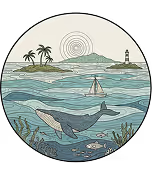
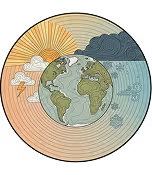
International agreements, such as the Paris Climate Agreement and the Convention on Biological Diversity, complement national policies by setting global standards and encouraging cross-border cooperation. They remind us that environmental protection is a shared responsibility and that actions in one region can affect ecosystems worldwide.
Ultimately, effective environmental policies aim not only to prevent harm but also to create opportunities for sustainable development. By integrating environmental protection into planning and decision-making, societies can ensure that natural resources remain available for future generations while supporting economic and social well-being. Policies that prioritize both people and nature lay the foundation for long-term ecological resilience, helping humanity navigate the challenges of climate change, pollution, and resource scarcity.
By fostering a balance between human progress and environmental preservation, we can build a future where people and nature truly thrive together.
It’s time to make an impact & here’s how you can start today!

Nature
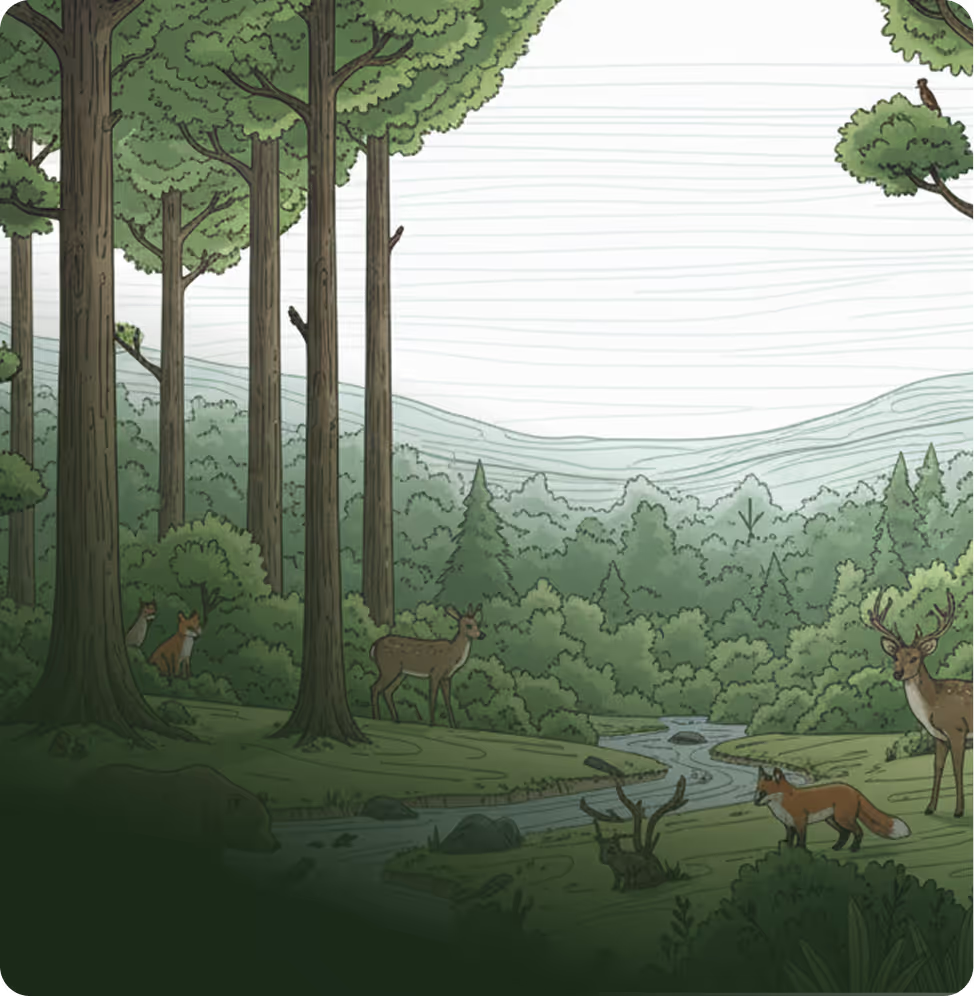
WILDLIFE
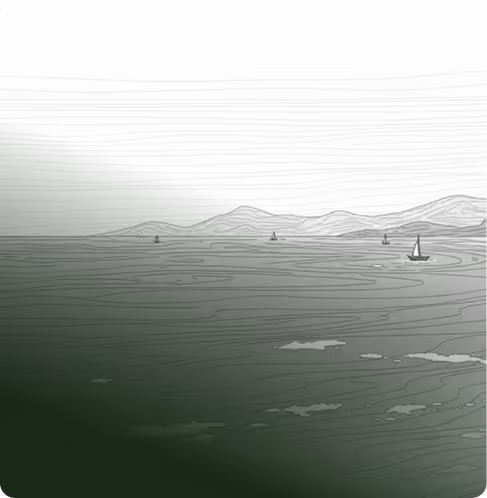
SEA ECOSYSTEM
wildlife


