
Communities as Guardians of Nature
Environmental protection is most effective when it is rooted in the communities that live closest to nature. For generations, local communities around the world have relied on forests, rivers, and wildlife for their livelihoods, cultural traditions, and daily survival. These communities possess valuable knowledge about their environments—knowledge that has often been overlooked in large-scale conservation initiatives.
Modern conservation efforts increasingly recognize that lasting environmental protection cannot be achieved without the active participation of local people. When communities are empowered to manage natural resources sustainably, they become some of the strongest defenders of biodiversity.
BioHorizon Institute places community engagement at the center of its conservation strategy. Instead of imposing external solutions, our programs focus on collaboration, education, and long-term partnerships with the people who know these landscapes best.
Training programs help communities develop practical skills in sustainable agriculture, forest management, water conservation, and wildlife monitoring. These skills not only protect ecosystems but also improve local livelihoods, creating economic opportunities that do not depend on environmental degradation.
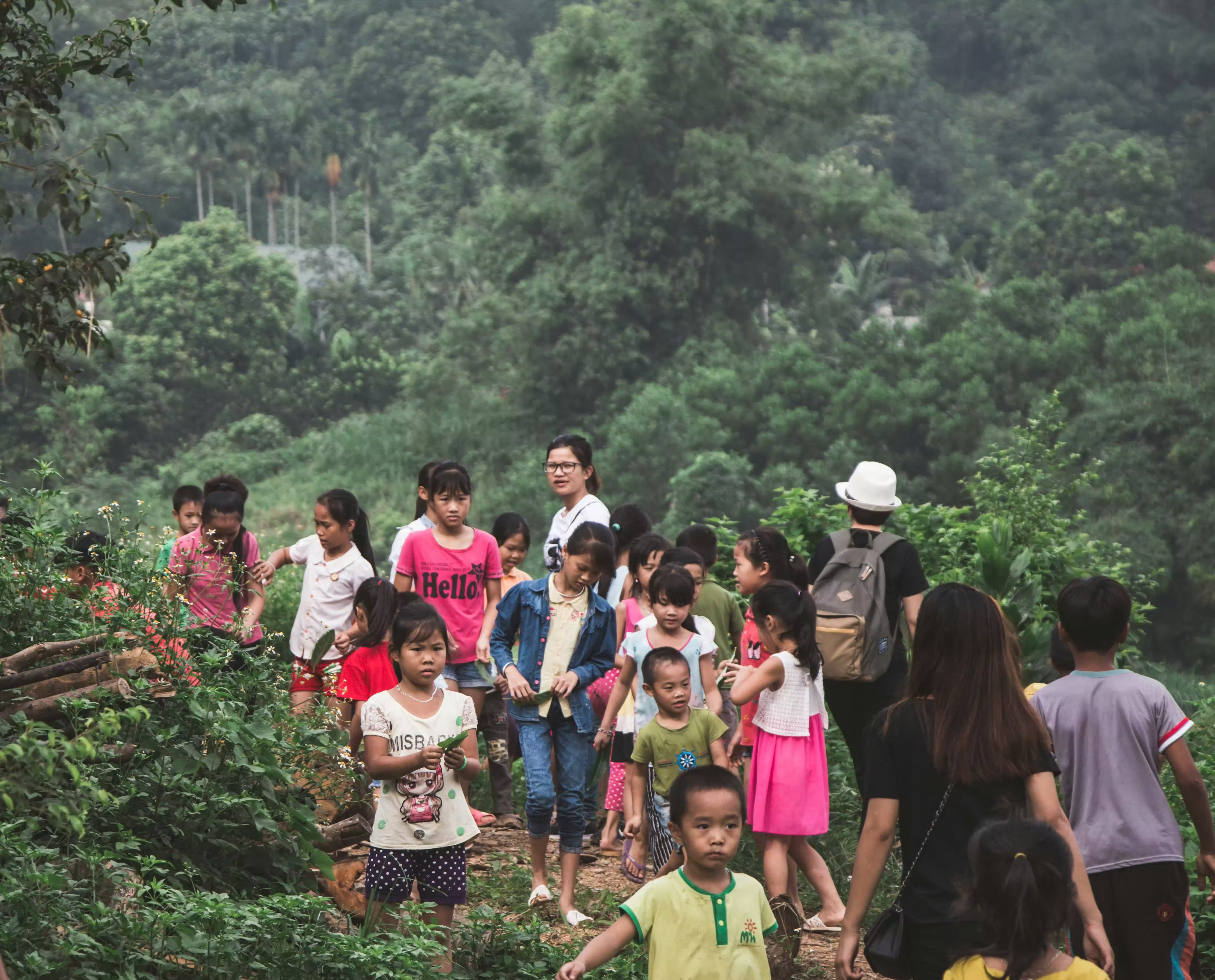
Community-led conservation projects often include tree planting initiatives, river restoration efforts, and wildlife monitoring networks. In many cases, local residents become environmental educators and leaders who inspire others to participate in conservation activities.
Citizen science initiatives also play a significant role. By collecting ecological data—such as tracking wildlife sightings or measuring water quality—community members contribute directly to scientific research while gaining a deeper understanding of their environment.
When people see tangible improvements in their landscapes, such as healthier forests, cleaner water, or returning wildlife, conservation becomes a source of pride and shared responsibility.
It’s time to make an impact & here’s how you can start today!
Nature
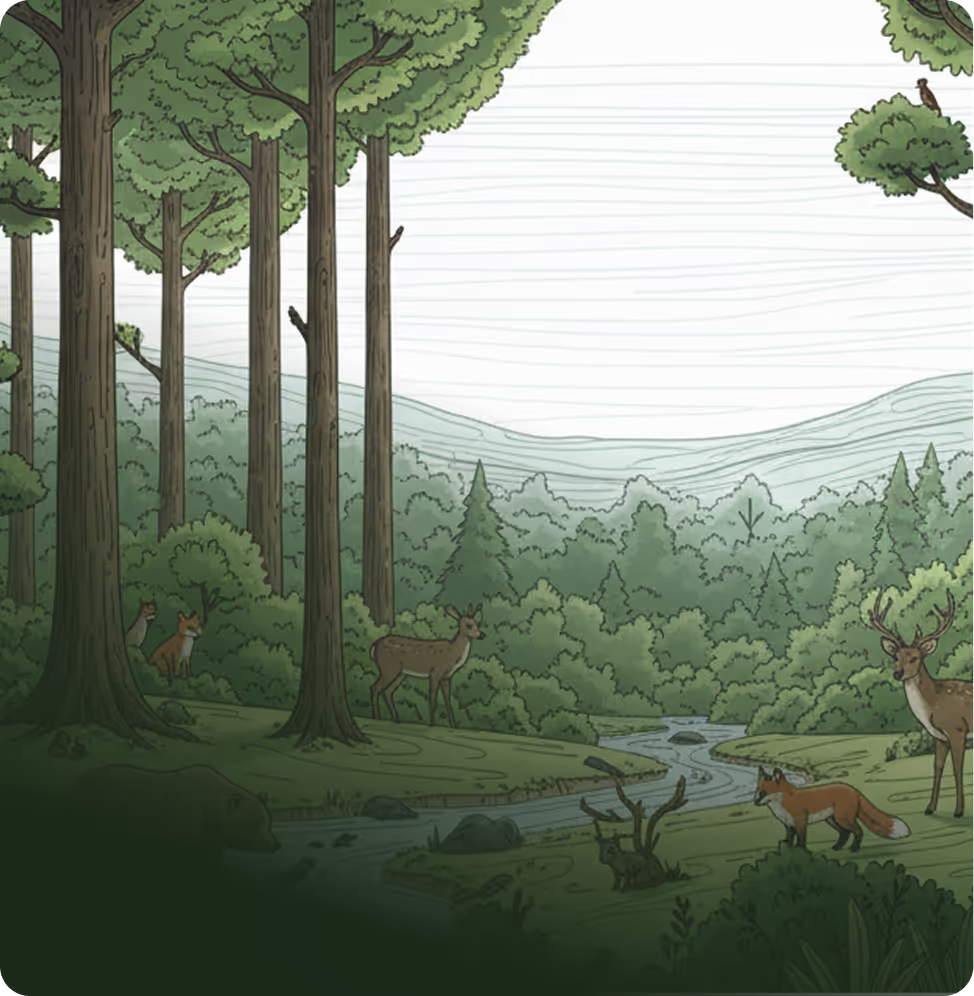
WILDLIFE
SEA ECOSYSTEM
wildlife


