
Biodiversity Hotspots: Why They Matter
Biodiversity refers to the variety of life on Earth, including plants, animals, microorganisms, and the ecosystems in which they live. It is essential for maintaining the balance of nature and supporting human life. However, biodiversity is not evenly distributed across the planet. Some regions contain exceptionally high numbers of species, many of which are found nowhere else in the world. These regions are known as biodiversity hotspots. Despite their ecological richness, they are also among the most threatened areas on Earth. Protecting biodiversity hotspots has therefore become one of the most important priorities in global conservation.
The idea of biodiversity hotspots was first introduced by environmental scientist Norman Myers in 1988. Myers identified areas that have both a large number of endemic species and a high level of habitat loss. Later, organizations such as Conservation International expanded this concept and identified 36 biodiversity hotspots worldwide. These areas cover only a small portion of the Earth's land surface, yet they contain a large percentage of the planet’s plant and animal species.

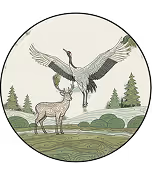
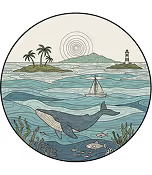
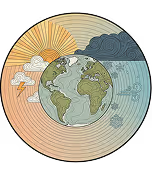
Biodiversity hotspots are regions with exceptionally high numbers of species found nowhere else in the world and are under serious threat. To qualify as a hotspot, a region must have at least 1,500 endemic plant species and have lost 70% of its original habitat. Although they cover only about 2.4% of Earth’s land, they contain over half of the world’s endemic plants and many endangered animals. Famous examples include Madagascar and the Indian Ocean Islands, the Tropical Andes, Western Ghats, Sundaland, and the Cape Floristic Region.
These hotspots are vital for several reasons. First, they protect unique species, many of which evolved over millions of years. For instance, Madagascar hosts hundreds of lemur species and thousands of plants found nowhere else. Second, they provide ecosystem services such as clean water, fertile soil, pollination, climate regulation, and natural disaster protection. Third, they are crucial sources of food and medicine, offering wild crop relatives and potential cures from undiscovered plants. Fourth, they help with climate regulation, acting as carbon sinks and protecting coastlines. Finally, they support cultural and indigenous communities, preserving traditional knowledge and livelihoods.
Despite their importance, hotspots face severe threats from deforestation, climate change, urbanization, and illegal wildlife trade. Protecting them is critical to preserving the planet’s biodiversity, ecosystem services, and the well-being of future generations.
It’s time to make an impact & here’s how you can start today!

Nature
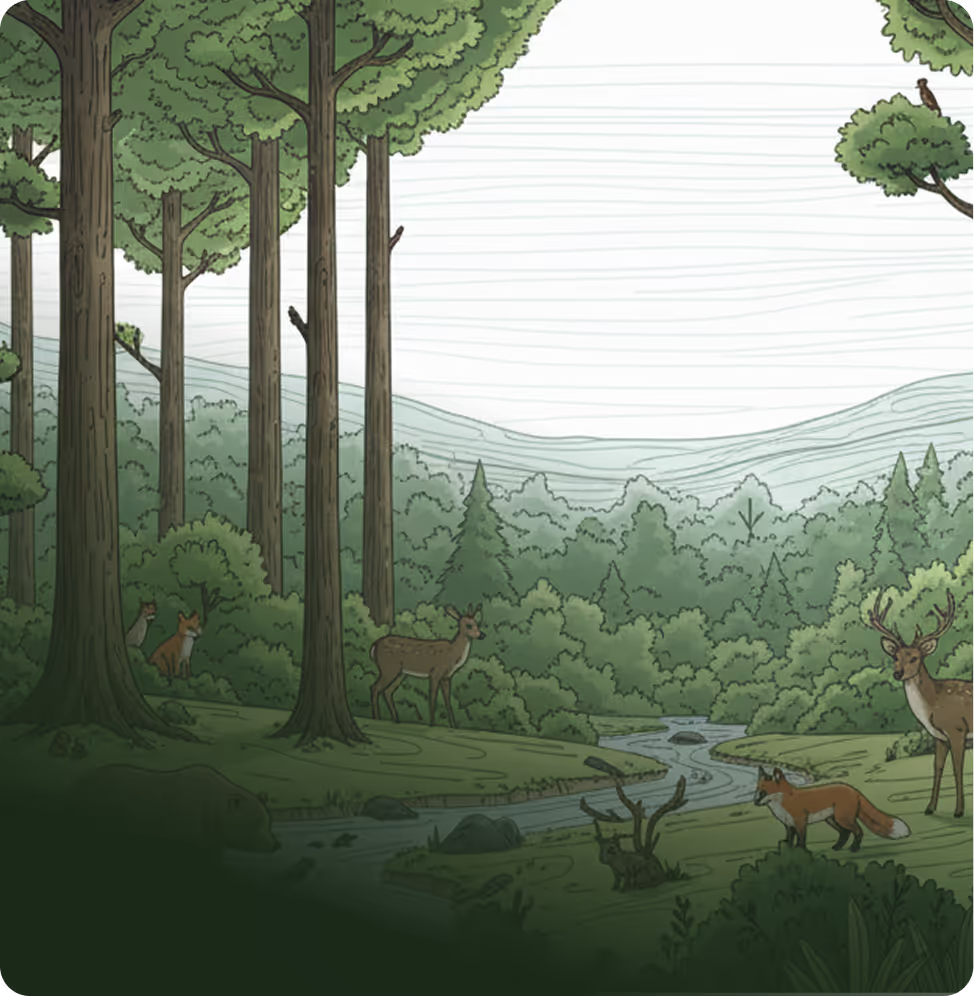
WILDLIFE
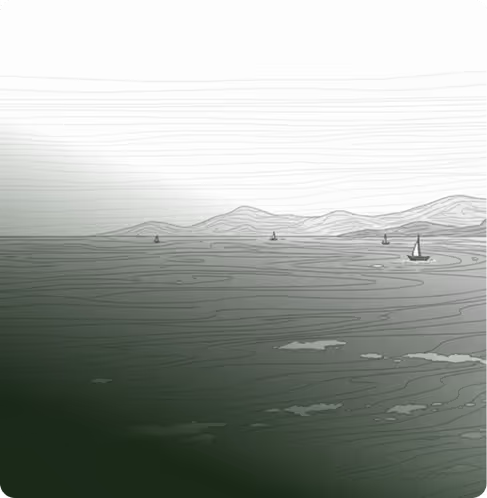
SEA ECOSYSTEM
wildlife


